Norweco Singulair Green Wantage NJ: Maintenance Strategies That Work
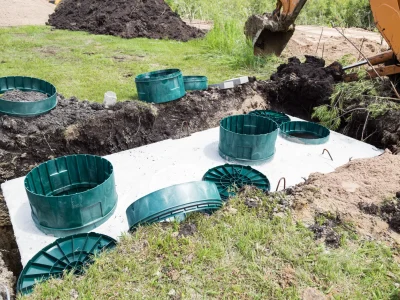
A Norweco Singulair Green system can perform very well in Wantage, but only if it is treated like the mechanical wastewater system it is. That distinction matters. Homeowners sometimes assume every septic setup behaves like a basic tank and leach field, where service is mostly reactive and spread out over years. A Singulair Green unit is different. It uses timed treatment, aeration, clarification, and components that rely on power and regular attention. When maintenance slips, the system often keeps running just long enough to hide problems until the repair bill gets expensive.
That is why good maintenance is less about doing one dramatic service call and more about stacking small, sensible habits over time. In northern New Jersey, those habits should reflect local conditions. Wantage sees real winter weather, seasonal rain swings, occasional power interruptions, and properties that range from older rural homes to newer construction on larger lots. Each of those details changes how a treatment system behaves.
The best maintenance strategy for a norweco singulair green Wantage NJ property is not complicated, but it does need to be intentional. You protect the biology, keep the mechanical parts clean and functional, stay ahead of sludge buildup, and pay attention to warning signs before they become failures.
Why these systems need a different mindset
A conventional septic tank is passive. Wastewater enters, solids settle, scum floats, and partially treated liquid moves on. A Singulair Green system adds active treatment. Air delivery, pumps or motors, control components, and treatment chambers all play a role. That gives the system better treatment performance when it is operating properly, but it also means there are more parts that can drift out of adjustment.
In practice, the biggest maintenance mistake is assuming the system will tell you everything in obvious ways. Sometimes it does. You may hear an alarm, notice surfacing water, or smell sewage. More often, the early clues are subtle. Toilets may start flushing sluggishly. Effluent filters may clog sooner than expected. The air intake may sound different. Grass above part of the disposal area may grow greener or stay wet longer after rain. None of those symptoms alone proves a major defect, but together they suggest the system is asking for attention.
Homeowners who do well with these units usually adopt the same rule that experienced service technicians follow: minor changes matter. If a system sounded one way for years and now sounds different, that is information. If pumping intervals are getting shorter, that is information. If the alarm panel has tripped more than once in a season, that is definitely information.
What Wantage conditions do to wastewater systems
Wantage sits in a part of New Jersey where weather is not gentle on buried infrastructure. Winters can be cold enough to stress shallow piping or any line exposed by erosion or poor cover. Spring can bring saturated soil conditions. Summer use patterns can swing sharply, especially in homes that host guests, extended family, or short bursts of heavy occupancy.
These local conditions shape maintenance priorities.
Cold weather does not usually freeze a properly installed and normally used wastewater line, because warm household flow keeps things moving. Trouble starts when a home has low winter occupancy, inconsistent water use, compacted snow removal over shallow lines, or exposed risers and piping. In those cases, the biological process can also slow down. That does not mean the system stops working, but it can become less forgiving.
Wet periods bring a different challenge. Even advanced treatment systems depend on the disposal area and surrounding soil conditions. If groundwater is high or the soil stays saturated, the system has less room to breathe. The treatment unit might still process wastewater, but the final dispersal step can struggle. Owners sometimes misread that as a tank problem when the bigger issue is field loading and soil moisture.
Power reliability matters too. A Singulair Green system relies on electrical components. Short outages are usually manageable. Longer outages, repeated breaker trips, or neglected control components can interrupt treatment and water movement. In a rural area where storms can knock power out, a homeowner should know exactly what happens to the unit during an outage and what signs to check when power returns.
The service schedule that prevents most expensive problems
There is no single maintenance interval that fits every home. Occupancy, water usage, upstream plumbing habits, and soil conditions all change the equation. Still, the systems that age well usually have one thing in common: they are professionally inspected on a predictable schedule, not only when something goes wrong.
For many homes, annual professional service is a practical baseline, and some properties benefit from more frequent checks, especially during the first couple of years after installation or transfer of ownership. A technician familiar with Norweco equipment can check aeration performance, verify alarms and controls, inspect sludge and scum accumulation, review the condition of filters or screens, and look for signs of hydraulic overload.
Pumping intervals also vary. They depend on tank capacity, household size, and how much material actually reaches the tank. A lightly occupied home may go longer between pump-outs than a busy household with teenagers, frequent laundry, and heavy kitchen use. The mistake is waiting for a fixed number of years and assuming that is enough. It is better to base pumping on inspection findings than on guesswork.
One pattern comes up often in the field. A homeowner hears that “modern” treatment systems need less pumping, so they postpone it. That can backfire. Advanced treatment does not eliminate solids. If anything, a more complex setup gives you more reasons to stay current, because excess solids can interfere with downstream components and upset the treatment process.
Protecting the biology inside the unit
Most maintenance discussions focus on motors, alarms, and tanks, but the living biology inside the system does a huge share of the work. If that microbial community is disrupted, performance drops even when every mechanical part still turns on.
Harsh chemical use is one common culprit. Occasional household cleaning is usually not the issue. The real damage tends to come from repeated dumping of disinfectants, strong drain chemicals, paint waste, solvents, or large bleach loads. The system can recover from minor norweco singulair green Wantage NJ insults, but repeated shocks weaken treatment and make odors and solids carryover more likely.
Antibiotics and water softener discharge are more nuanced. They are not automatic system killers, but high or repeated loads can affect treatment balance. The same goes for products marketed as septic cures or miracle additives. In most cases, a healthy, properly maintained wastewater system does not need additives. Experienced operators tend to be skeptical of anything that promises to replace pumping or routine service.
Kitchen habits matter as much as chemistry. Grease, coffee grounds, fibrous food waste, and “flushable” wipes all create avoidable work for the system. Wipes are particularly troublesome because they do not break down the way toilet paper does. They can snag on internal components, clog effluent pathways, and create a service call that nobody enjoys paying for.
Water use, hydraulic loading, and the myth of “more is fine”
Many Singulair Green problems are not true mechanical failures. They are hydraulic stress problems that eventually look mechanical. The system receives more water than it can reasonably treat or disperse in a given period, so solids shift, treatment time shortens, and downstream components struggle.
A common real-life example is the Saturday laundry marathon. Five or six loads back to back, followed by showers for visiting family, followed by a dishwasher cycle, can dump a week’s worth of concentrated flow into the system over a few hours. Even a well-maintained unit can be stressed by that pattern. Spacing out water use helps much more than many people realize.
Leaks inside the home quietly create the same problem. A running toilet can send hundreds of extra gallons through the system over days or weeks. Since the homeowner still sees “normal” drainage fixtures, the overload often goes unnoticed until an alarm sounds or the disposal area starts showing symptoms.
The homes that keep these systems healthy tend to treat water flow as part of maintenance, not just a utility bill issue. That means fixing drips quickly, replacing failing toilet flappers, using high-efficiency fixtures where practical, and staggering large water uses.
The five habits that consistently extend system life
- Schedule professional inspection on a regular cycle, not only after alarms or backups.
- Pump based on measured solids and service recommendations, not on a rumor from a neighbor.
- Spread out heavy water use, especially laundry, guest showers, and large bathtub drains.
- Keep grease, wipes, and harsh chemicals out of the system.
- Watch the disposal area after storms and snowmelt, because soil conditions often reveal trouble early.
These are not glamorous habits, but they are the ones that save components and protect the disposal field.
What owners should watch between service visits
A homeowner does not need to become a wastewater technician, but a little observation goes a long way. The goal is not to open components unnecessarily or interfere with equipment. It is to notice patterns.
Start with sound. If your system normally has a steady operating sound from its aeration or control equipment and that sound changes sharply, pay attention. A louder hum, intermittent cycling, or unusual silence can all mean something. That does not automatically signal a failed part, but it justifies a closer look by a qualified service provider.
Then watch the ground surface. In Wantage, heavy rain can muddy the picture, so the key is persistence. If one area stays soggy long after the rest of the yard dries, especially in milder weather, that deserves attention. If odors appear repeatedly near the tank, treatment unit, or disposal area, that also matters. One faint odor on a humid day is not the same as a repeating pattern.
Indoor signs can be even more useful. Slow drains across multiple fixtures, gurgling after flushing, or recurring plumbing backups are not always house-plumbing problems. When several symptoms appear together, the wastewater system should be part of the investigation.
Winter care in Sussex County conditions
Cold-weather maintenance is less about emergency measures and more about preserving insulation and normal flow. If a home is occupied through winter, routine use usually helps the system. Problems rise when people try to “protect” lines in ways that actually expose them. Aggressive plowing or driving over the tank or disposal area can compact soil and reduce insulation. Clearing snow down to bare ground over shallow lines can also increase freeze risk.
For part-time or lightly occupied homes, low flow can create a different set of issues. Wastewater cools faster, treatment activity can slow, and lines that were never a problem during full occupancy may become vulnerable. If a house will be vacant for long periods, it is worth speaking with a local service professional who understands the installation depth, site drainage, and operating history of that specific system. Generic advice is not enough when winterizing or managing a property with reduced use.
It is also smart to know where risers, lids, and controls are before snow season. A service call is easier and less costly when the technician is not hunting under frozen ground or deep accumulation.
Disposal area protection is part of system maintenance
Homeowners often think of the treatment unit as the “important” part and the yard beyond it as just landscaping. That is a costly misconception. The disposal area is where all the upstream effort either succeeds or fails. If that soil is damaged, compacted, or overloaded, the best treatment unit in the world cannot fully compensate.
Vehicle traffic is one of the most common mistakes. Lawn tractors are usually less of a concern than cars, trucks, trailers, and construction equipment, but repeated weight of any kind is not ideal. Compaction reduces the soil’s ability to accept and treat water. It can also damage buried piping over time.
Drainage changes are another quiet threat. Homeowners add patios, redirect gutters, build sheds, or regrade sections of the yard without realizing they are changing how water moves near the system. Sending roof runoff toward the disposal area is especially hard on performance during wet months. What looks like a harmless landscaping improvement can push an already marginal field into failure.
Roots can also create trouble, though not every nearby tree is an emergency. The risk depends on species, distance, moisture patterns, and installation layout. Deep-rooted, thirsty plantings close to lines deserve caution. A thoughtful local contractor can assess risk better than any universal rule of thumb.
Alarm conditions and what not to do
When an alarm activates, the first priority is to reduce water use until the cause is identified. That simple step prevents a manageable issue from becoming a backup. What owners should not do is panic and start resetting everything repeatedly without understanding the reason for the alarm.
Some alarms indicate a temporary high-water condition. Others point to aeration trouble, pump issues, float problems, or electrical faults. Resetting the panel may silence the symptom without fixing the cause. If the alarm returns, or if any sewage-related symptom accompanies it, service should be scheduled promptly.
A surprising number of expensive repairs start with one avoidable choice: ignoring an alarm because the toilets still flush. Wastewater systems often give a grace period. It is better to treat that grace period as a warning window, not permission to wait.
Warning signs that deserve quick attention
- Recurring alarm activity or a breaker that trips more than once
- Wet or spongy ground near the treatment or disposal area in dry weather
- Sewage odors that persist rather than appearing briefly after unusual use
- Multiple indoor drains slowing at the same time
- Effluent or backup signs after heavy household water use
None of these signs should be dismissed as normal aging.
Repairs versus replacement, and how judgment comes into it
Not every problem points to replacement. In fact, many service issues on a Singulair Green system are repairable if they are caught in time. A failing component, clogged line, damaged float, neglected filter, or overdue pumping interval may be enough to explain the symptoms. Good diagnosis matters because guessing gets expensive fast.
Where owners get into trouble is assuming every recurring problem can be solved with one more repair. If solids have repeatedly escaped where they should not, if the disposal area has suffered long-term overload, or if site drainage has fundamentally changed, fixing one component may not restore reliable performance. At that stage, a technician or engineer may need to look at the whole chain: treatment, hydraulics, discharge, and soil acceptance.
That broader view is especially important during home sales or after years of deferred maintenance. A system that “worked fine” for a lightly occupied seller may struggle under a larger household. A proper evaluation should consider current condition and future loading, not just whether the sinks drain on inspection day.
Choosing the right maintenance partner in Wantage
This is one place where local experience matters. A contractor who knows Norweco equipment but has never dealt with Sussex County site conditions is missing part of the picture. A contractor who knows local septic behavior but is unfamiliar with Singulair Green components is also incomplete. The best service relationship brings both.
Ask practical questions. How often do they service this type of unit? Do they document sludge levels, component condition, and recommended next steps? Can they explain whether a symptom points to water-use behavior, mechanical wear, or field conditions? Good providers usually answer plainly and do not rush to dramatic predictions.
It also helps to keep your own records. Service dates, pumping intervals, alarm history, occupancy changes, plumbing repairs, and any unusual weather-related issues create a useful timeline. That record often shortens diagnosis because patterns become clearer. A homeowner who can say, “The alarm started after a week of guests and two days of heavy rain, and the system was last pumped eighteen months ago,” gives a technician a much better starting point than, “It just started acting weird.”
A practical approach that works year after year
The strongest long-term strategy for a norweco singulair green Wantage NJ property is not exotic. It is disciplined. Respect the system’s mechanical parts, protect the biological process, avoid hydraulic abuse, and do not neglect the disposal area. If you do those things consistently, you lower the odds of emergency service, reduce wear on components, and improve the chances that the whole system will perform as intended for many years.
Most failures are not sudden mysteries. They are the end result of ignored warnings, delayed pumping, excess water, poor disposal habits, or site changes that nobody connected back to the wastewater system. Once you start viewing the unit as part treatment plant and part living ecosystem, the maintenance decisions get much clearer. That is the mindset that works in Wantage, and it is the one that usually costs the least over time.
Excavating New Jersey LLC
406 County Rd 565
Wantage, NJ 07461, United States
Phone: +1 (973) 791-4284
FAQ About norweco singulair green Wantage NJ
How does a Norweco septic system work?
Singulair Green uses aerobic biological treatment in a polyethylene tank, followed by settling and filtration. The treatment unit is one part of a complete wastewater system; the site design also determines how treated effluent is dispersed.
How much does a Norweco septic system cost in NJ?
A useful estimate requires a property evaluation. Excavation access, soil conditions, engineering, electrical work, the disposal field, and restoration can affect the total. Ask Excavating New Jersey LLC for a written scope that distinguishes installation costs from ongoing service costs.
Are Norweco septic systems good?
Singulair Green is an established aerobic treatment option, but suitability depends on the property and proposed design. Compare the model's documented performance, maintenance needs, and total project scope with alternatives before deciding.