Septic Services for Properties With Aging Systems
Older septic systems have a way of staying out of sight until they stop staying out of mind. A tank buried 30 or 40 years ago can keep working quietly for decades, then a wet patch appears in the yard, a drain starts gurgling, or the smell outside lingers longer than it should. At that point, many property owners discover a hard truth: an aging septic system rarely fails all at once for a single reason. It usually declines in layers. A neglected riser lid, tree root intrusion, a baffle that has broken down, compacted soil over the drainfield, years of infrequent pumping, or heavier household water use than the system was designed to handle can all combine into one expensive problem.
That is why septic services for older properties need to be more than routine pumping. On aging systems, service work becomes diagnostic, preventive, and strategic. The goal is not just to respond when sewage backs up. The goal is to understand what still has useful life, what needs immediate correction, and what should be monitored before it turns into a full replacement project.
Owners of rural homes, lake houses, farm properties, and older commercial buildings often assume an old septic system is either fine or failing. In practice, there is a broad middle ground. Many older systems can continue operating for years with targeted maintenance and sensible use. Others are functioning, but only barely. The difference often comes down to inspection quality, service timing, and whether the people involved understand older installations instead of treating every system like new construction.
Why aging septic systems behave differently
A modern septic installation usually comes with better records, clearer permitting history, more standardized materials, and easier access to key components. Older systems often come with none of that. I have seen properties where the owner knew the tank existed but had no idea where the distribution box was, whether the tank had one compartment or two, or when it was last pumped. I have also seen systems buried under patios, additions, sheds, and driveways that were built long after the original installation.
Age changes more than paperwork. Materials degrade. Concrete tanks can crack or spall. Steel tanks may rust through. Clay or older pipe materials can shift, separate, or collect roots. Baffles made from older materials may collapse. Even the drainfield soil changes over time. Fine particles migrate, biomat thickens, and heavy traffic compresses the area. A system that worked adequately for a family of four in 1987 may not hold up the same way now if the home has more occupants, more bathrooms, and larger laundry loads.
There is also the issue of design expectations. Older septic systems were often installed under standards that were less demanding than current ones. Some were sized conservatively. Some were not. If an older system has lasted a long time, that does not automatically mean it is healthy. Sometimes it means the property had light use, ideal soil, or a very careful owner. Once usage changes, hidden weaknesses show up fast.
What good septic services actually include on an older property
When a property has an aging septic setup, a useful service visit should answer more than one question. Pumping the tank matters, but pumping alone does not tell you whether effluent is moving correctly, whether solids are escaping into the field, or whether the system is nearing the point where repairs no longer make sense.
A thorough service call usually starts with locating and accessing all the major components. That sounds basic, but it is often where the real work begins. On older sites, lids may be buried deep, access ports may be missing, and the original layout may not match the owner’s assumptions. A technician who takes time here can save the owner from years of guesswork.
From there, the tank condition needs to be evaluated. Sludge and scum levels matter, but so do the inlet and outlet baffles, the water level in the tank, signs of leakage, and any structural damage. If the outlet baffle is compromised, solids can wash into the drainfield. That is one of the most common ways a manageable maintenance issue turns into a field restoration or replacement discussion.
The next part is often the most overlooked: checking downstream components. A distribution box that is out of level, blocked, or deteriorated can send too much flow to one trench and starve another. A line with root intrusion or settled piping can create backups that look like tank problems but are not. Drainfield performance has to be assessed in context. Standing water, surfacing effluent, persistent odors, and abnormally lush growth can all point to field stress, but the cause is not always straightforward.
For older systems, the best septic services combine field observation with common sense. If the home has had recent plumbing changes, added occupants, frequent guests, or a finished basement with a new bathroom, those details matter. If the owner has been using additives heavily in hopes of avoiding pumping, that matters too. Service is most useful when it is tied to how the property is actually being used.
Warning signs owners should not ignore
The early signs of septic trouble tend to be subtle enough that people explain them away. That is understandable. A slow drain can seem like a simple clog. A smell outside can be blamed on wet weather. But when an older system starts giving repeated signals, delay gets expensive.
Here are five signs worth taking seriously:
- Drains are slow in several fixtures at once, especially after laundry or showers.
- Toilets gurgle or water levels in bowls fluctuate without a clear plumbing cause.
- The yard over the tank or drainfield stays wet, soft, or unusually green.
- Sewage odors linger near the tank, field, or basement plumbing.
- Backups happen after heavy water use, then appear to clear temporarily.
One detail many owners miss is the pattern. If a sink drains slowly all the time, that may be a local plumbing issue. If the whole house struggles when the washing machine runs, or if wet weather makes symptoms worse, the septic system deserves immediate attention.
Pumping is necessary, but it is not a cure-all
A common misunderstanding with aging systems is the idea that pumping fixes septic problems the way an oil change fixes routine vehicle maintenance. Pumping removes accumulated solids from the tank. That is essential. It protects downstream components and restores storage volume. What it does not do is repair a failed drainfield, replace a broken baffle, level a distribution box, or correct hydraulic overload.
This distinction matters because owners sometimes call for emergency septic services after a backup, get the tank pumped, see temporary improvement, and assume the issue is resolved. A few weeks later, the same symptoms return. The tank was full again because the real bottleneck was never in the tank itself. Effluent was not leaving the system properly.
On https://rowanvnjw745.evergrovio.com/posts/septic-services-and-home-renovations-what-to-consider aging properties, pumping frequency should reflect both the size of the tank and how the home is used. A lightly occupied seasonal cabin may go longer between pump-outs than a full-time residence with children, laundry every day, and frequent guests. Garbage disposals, water softeners, long showers, and old leaking toilets can all increase strain. If records are poor, one of the smartest moves is to begin documenting service dates and observations now. Even a simple notebook with dates, sludge depth comments, and repair notes helps build a maintenance picture.
Inspection quality is where money is saved
There is a major difference between a fast pump-and-go visit and a service provider who understands older systems. That difference often shows up in the owner’s repair bill a year later.
A good inspection on an aging septic setup should involve more than looking at the liquid level and writing an invoice. It should identify the tank material, assess whether access is safe, note the condition of lids and risers, check baffles, and observe flow patterns if practical. If downstream components are accessible, they should be reviewed as well. If they are not accessible, the owner should at least be told what remains unknown.
That last point is important. Older properties often carry hidden uncertainty. A responsible technician says, in effect, the tank looks serviceable, but the field condition is not fully verifiable today, or the distribution box could not be inspected without excavation. Honest uncertainty is more valuable than false reassurance.
I have seen owners spend money on interior plumbing work, repeated drain cleaning, and chemical products because nobody told them the septic diagnosis was incomplete. By the time the real issue was confirmed, they had already lost time and money. Strong septic services reduce that waste by framing the problem accurately from the start.
Repairs that can extend the life of an older system
Not every aging septic system needs replacement. Quite a few need a focused repair and a change in how the property is managed.
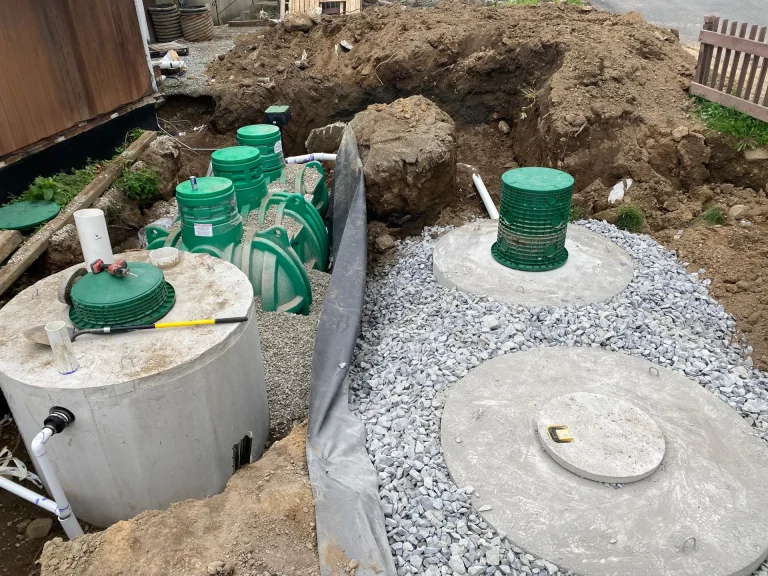
Replacing damaged risers and lids is one of the simpler upgrades with real value. It improves access, makes routine service easier, and reduces the chance that inspections will be skipped because digging is a nuisance. Baffle replacement can be another high-value repair if the tank structure is still sound. Correcting line blockages, addressing root intrusion, and restoring a misbehaving distribution box can also buy meaningful time.
Water management around the system matters more than many owners realize. Diverting roof runoff, sump discharge, and surface drainage away from the tank and drainfield can ease chronic saturation. On some properties, simply keeping vehicles, trailers, and heavy equipment off the field stops further soil compaction and helps preserve what function remains.
There are limits, though. If the drainfield is failing broadly, if the tank has major structural collapse, or if the system is fundamentally undersized for the property’s current use, repeated repairs may only postpone the inevitable. This is where judgment matters. Spending a few thousand dollars to gain several reliable years may be reasonable. Spending that same money in small emergency increments while the field continues to decline usually is not.
The role of older tanks, especially concrete and steel
Material type often shapes the service plan. Many older concrete tanks are still usable if they are structurally sound, watertight enough for proper operation, and equipped with functioning baffles. Concrete can last a long time, but age, acidic gases, freeze-thaw exposure near lids, and poor original construction all take a toll. Cracks are not always catastrophic, but they need context. Some are superficial. Some indicate movement or infiltration that changes everything.
Steel tanks are another story. In many regions, old steel septic tanks are already beyond their dependable service life. Corrosion can affect lids first, which creates a serious safety hazard, especially if the tank location is uncertain or covered by shallow soil. I have heard property owners say the system seemed fine because there had never been a backup, only to learn that the tank top was dangerously weak. On a site with children, pets, or routine mowing traffic, that is not a minor issue.
Aging tanks also raise access and safety concerns for service crews. That is one reason experienced providers proceed carefully instead of prying open lids aggressively or making assumptions about structural integrity. Safe access is part of good septic services, not an extra.
How usage patterns can overwhelm an old but functioning system
One of the most common reasons a long-running septic system starts struggling is not age alone, but changed demand. Older homes are often renovated in ways the original system was never designed to support. A two-bedroom farmhouse becomes a four-bedroom short-term rental. A seasonal cottage turns into a year-round residence. A basement apartment is added. So is a second washing machine. None of those changes are abstract. They increase hydraulic load, and septic systems feel hydraulic load immediately.
Even without major remodeling, daily habits matter. Back-to-back showers, marathon laundry days, leaking fixtures, and hot tubs drained into the system can all stress a drainfield. On an old system that has less margin than it once did, timing matters. Spreading laundry through the week instead of doing six loads on Saturday can make a noticeable difference. Fixing a running toilet can reduce thousands of gallons of unnecessary flow over time.
That does not mean owners should tiptoe around their plumbing forever. It means realistic use should be matched with realistic system condition. A professional service provider should be able to say whether the system appears capable of supporting current occupancy, whether conservation measures are simply good practice, or whether usage must change unless major repairs are made.
Preparing for a service visit helps everyone
Owners often get better results when they prepare a little before scheduling septic services. Not because the work becomes easier only for the crew, but because better information leads to better decisions.
A few simple steps go a long way:
- Gather any pumping records, permits, sketches, or inspection reports you have.
- Make note of recent symptoms, including when they occur and after what kind of water use.
- Identify any site changes such as additions, grading, tree planting, or driveway work.
- Clear access to known lids, cleanouts, and the suspected tank area if possible.
- Mention whether the home is seasonal, rented, newly occupied, or more heavily used than before.
That short history often explains what a single snapshot cannot. If a problem appears only after holiday gatherings, or only after several rainy weeks, those patterns help narrow the diagnosis.
When replacement becomes the sensible path
There comes a point when preserving an aging system stops being economical or reliable. That point varies by property. Sometimes it is obvious, such as repeated sewage surfacing in the yard or a tank that is no longer safe to access. Other times it is a business decision. A property owner adds up frequent emergency calls, temporary fixes, poor drainage, and occupancy limitations, then decides that planned replacement costs less than ongoing disruption.
Replacement discussions are rarely simple on older sites. Setback rules may have changed. Soil testing may be required. The original system location may not meet current code expectations. Wells, water bodies, property lines, and additions can all complicate layout options. That is exactly why early evaluation matters. Waiting until complete failure reduces flexibility.
For some owners, especially those planning to sell or refinance, the smartest move is to investigate options before a crisis. A known aging system is easier to manage than an unknown failed one discovered during a transaction. Buyers, lenders, and inspectors usually respond better to a documented plan than to hurried explanations.
Choosing the right service mindset
The strongest approach to an older septic system is neither panic nor complacency. It is informed maintenance. That means treating septic services as part of property stewardship, not as an occasional emergency expense. A good provider should be willing to explain what they see, what they cannot confirm, what is urgent, and what should simply be watched over time.
Owners benefit from asking direct questions. Is the tank structurally sound? Are the baffles intact? Is there evidence that solids have moved beyond the tank? Does the drainfield show stress, or only age? If we spend money today, what outcome should we reasonably expect, six months from now and three years from now? Those questions move the conversation from generic maintenance to practical planning.
Older systems are rarely perfect. Many are imperfect but manageable. With careful inspection, timely pumping, targeted repairs, and realistic use, an aging septic system can often continue serving a property safely and effectively for years. The key is not guessing. It is getting septic services that match the age, condition, and real-world demands of the system underground.
Excavating New Jersey LLC
Address: 406 County Rd 565, Wantage, NJ 07461
Phone number: +19737914284
FAQ About Septic Services
What is the average cost to get a septic tank emptied?
Emptying a septic tank costs between $290 and $560 on average, with most homeowners paying about $420. Prices vary based on tank size.
What is septic service?
Septic service inspects, pumps, cleans, and maintains a septic tank. A septic tank is a large, underground container that collects and treats wastewater from your home. Over time, sludge, scum, and other debris, like hair and solids, can build up in your tank and clog your drain field.
How often should you have a septic tank serviced?
A standard septic tank should be inspected every 1 to 3 years and pumped every 3 to 5 years. However, the exact schedule depends on your tank's capacity, household size, and daily water usage.